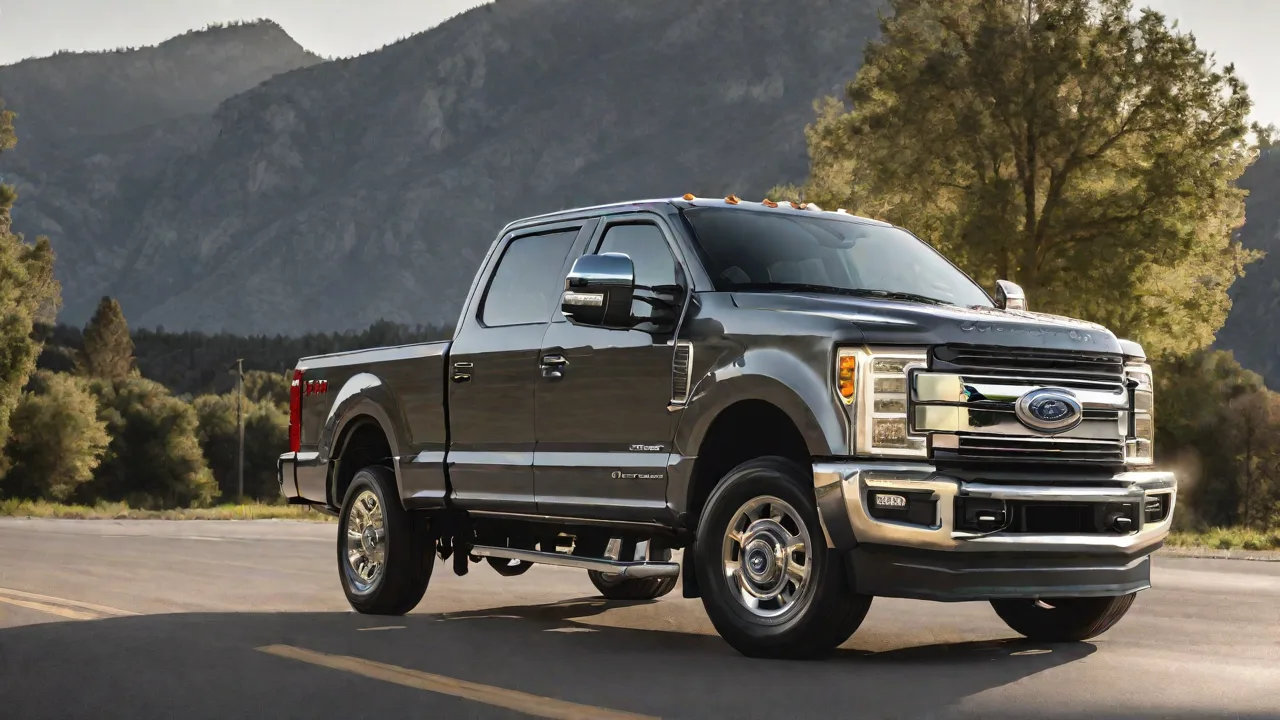
Everyday Ford Super Duty Diesel vs. Gas Models: Which Engine Choice Suits Your Needs?
When it comes to selecting a Ford Super Duty truck, one of the most critical decisions you'll face is choosing between a diesel or gasoline engine. This choice significantly impacts the truck’s performance, fuel efficiency, maintenance costs, and suitability for your specific driving and work needs. Both engine types are designed to deliver outstanding capability, but understanding their unique characteristics will help you make an informed decision that aligns with your lifestyle and workload requirements.
Overview of Ford Super Duty Engine Options
The Ford Super Duty lineup offers several engine options tailored to different types of users. The primary engines include the 6.7-liter Power Stroke V8 Turbo Diesel and the 7.3-liter V8 gasoline engine, often referred to as the “Godzilla” engine. Each engine brings its own strengths and trade-offs, making it essential to analyze your demands carefully before committing.
6.7-Liter Power Stroke V8 Turbo Diesel
The 6.7L Power Stroke diesel engine is a hallmark of Ford’s heavy-duty performance. Renowned for its impressive torque output, this turbocharged diesel enhances towing and hauling capabilities, especially under demanding conditions. It features advanced technologies such as a variable geometry turbocharger, high-pressure common rail fuel injection, and a compacted graphite iron block to withstand rigorous workloads and improve efficiency.
7.3-Liter V8 Gasoline Engine
The naturally aspirated 7.3L V8 gas engine, nicknamed “Godzilla,” is designed for durability and robust performance. It offers excellent horsepower and a strong torque curve that suits a wide range of applications, from moderate towing to daily driving. The engine is praised for its simplicity, easier maintenance, and lower initial purchase price compared to the diesel variant.
Power and Performance: Comparing Diesel vs. Gas
One of the biggest differences between diesel and gasoline engines in the Super Duty lineup is how power is delivered and utilized.
Torque and Towing Capability
Diesel engines excel in producing high torque at low RPMs, which is crucial for heavy towing and hauling. The 6.7L Power Stroke diesel generates up to 1,050 lb-ft of torque, enabling it to tow massive trailers with relative ease. This makes it the preferred choice for commercial drivers, contractors, and owners who regularly haul fifth-wheel trailers, large campers, or equipment.
In contrast, the 7.3L gas engine produces up to 430 lb-ft of torque, which is substantial but significantly lower than the diesel. While this torque level is sufficient for moderate towing and everyday hauling tasks, it might fall short for the most demanding heavy-duty applications.
Horsepower and Acceleration
Gasoline engines typically offer higher peak horsepower and quicker throttle response compared to diesel engines. The 7.3L V8 delivers up to 430 horsepower, providing brisk acceleration and a more responsive driving experience especially when the truck isn’t heavily loaded. This makes the gas Super Duty more versatile for daily driving, city commuting, and lighter towing scenarios.
The diesel engine, while producing slightly less horsepower (up to around 475 hp), prioritizes torque over raw speed. Its power delivery is optimized for sustained heavy loads rather than quick acceleration, making it less nimble but more capable under strain.
Engine Longevity and Durability
Both engines are engineered for longevity, but their durability depends on usage and maintenance. Diesel engines tend to have longer lifespans due to their robust construction and lower RPM operation. However, they require strict adherence to maintenance schedules, including regular oil changes with specialized diesel oil and fuel system care.
Gas engines generally have simpler maintenance requirements and can be less costly to service but may experience increased wear when consistently subjected to heavy towing or payloads beyond their optimal range.
Fuel Efficiency and Operational Costs
Fuel economy and cost of operation are crucial factors when choosing between diesel and gas engines, especially for those using their Super Duty trucks extensively.
Diesel Fuel Economy
Diesel engines are inherently more efficient due to the higher energy density of diesel fuel and the engine’s thermodynamic properties. The 6.7L Power Stroke diesel Super Duty typically achieves better miles per gallon (MPG) during heavy towing and long-haul driving compared to its gasoline counterparts. This translates to fewer fuel stops and potentially significant savings on extended trips or workdays.
However, diesel fuel prices can fluctuate and are often higher than gasoline prices in many markets. Additionally, diesel engines require diesel exhaust fluid (DEF) to reduce emissions, adding a small ongoing consumable cost.
Gasoline Fuel Economy
Gasoline engines generally consume more fuel when performing heavy towing or hauling, which can result in higher operating costs for those regularly pushing the truck’s limits. However, for lighter-duty use or mixed driving conditions, gas engines can be more cost-effective due to lower fuel prices and less complex emission control systems.
Maintenance and Repair Costs
Diesel engines are more complex, with components such as turbochargers, intercoolers, and advanced fuel injection systems that can be costly to repair or replace. Maintenance intervals are typically longer but more specialized. For example, diesel oil changes are less frequent but require premium synthetic oils.
Gasoline engines feature simpler designs, which can lower maintenance and repair costs over the truck’s lifespan. Parts tend to be more widely available and less expensive, and repairs are often quicker due to easier access and fewer specialized components.
Environmental Impact and Emissions
Environmental considerations are becoming increasingly important in the commercial and consumer truck market.
Diesel Emissions and Technology
Modern diesel engines, like the 6.7L Power Stroke, utilize advanced emission control technologies such as selective catalytic reduction (SCR), diesel particulate filters (DPF), and DEF systems to meet stringent EPA regulations. While these systems reduce nitrogen oxides (NOx) and particulate emissions, they add complexity and require proper maintenance to function correctly.
Gasoline Engine Emissions
Gasoline engines tend to produce fewer NOx and particulate emissions compared to diesels but emit higher levels of carbon monoxide and hydrocarbons. Their emission control systems are generally less complex, which can simplify maintenance.
Ford continues to improve both engine types to reduce their environmental footprint, including exploring alternative fuels and hybrid technologies in future Super Duty models.
Practical Considerations for Choosing Between Diesel and Gas
When deciding which engine suits your needs best, consider the following factors:
1. Towing and Payload Requirements
If your primary use involves frequent towing of heavy trailers, such as horse trailers, RVs, or commercial equipment, a diesel-powered Super Duty will provide the torque and durability necessary for those tasks. Conversely, if towing is occasional or limited to lighter loads, the gasoline engine may be sufficient and more economical.
2. Driving Habits and Distance
Diesel engines shine on long-distance drives and highway cruising due to their fuel efficiency and torque characteristics. For drivers who mostly operate in urban settings, perform stop-and-go driving, or use the truck for short trips, a gasoline engine may offer better responsiveness and lower daily operating costs.
3. Initial Purchase Price and Resale Value
Gasoline Super Duty trucks generally have a lower upfront price compared to their diesel counterparts. However, diesel models often retain their value better over time due to their reputation for longevity and capability. This is an important factor if you plan to resell or trade in your truck in the future.
4. Maintenance and Service Accessibility
Diesel engines require service technicians with specialized knowledge and equipment, which may not be available in all areas. If you live in a remote location or prefer simple maintenance tasks, the gasoline engine may offer a more straightforward ownership experience.
5. Noise and Driving Experience
Diesel engines produce a distinct sound and vibration that some drivers find less refined than gasoline engines. If cabin quietness and smoothness are priorities, especially for daily driving or passenger comfort, the gasoline engine may provide a more pleasant experience.
Case Studies and Real-World Usage Examples
Commercial Contractor Using a Diesel Super Duty
A construction contractor who regularly hauls heavy equipment trailers across long distances benefits from the 6.7L Power Stroke diesel’s high torque and fuel efficiency. The ability to tow large payloads without overheating or excessive wear reduces downtime and operational costs, making the diesel engine indispensable for their business.
Family Owner Using a Gasoline Super Duty
A family who uses their Super Duty for weekend camping trips, light towing of a boat or utility trailer, and daily commuting may find the gasoline engine more fitting. The lower upfront cost, easier maintenance, and smoother acceleration align with their moderate usage patterns.
Mixed-Use Owner with Balanced Needs
Some owners require a truck that can handle occasional heavy towing but also function as a reliable daily driver. In such cases, evaluating the balance between torque requirements and fuel economy is critical. Ford’s gas engines have improved in torque and durability, narrowing the gap and offering a practical alternative where diesel’s benefits are not essential.
Summary: Making the Best Choice for Your Ford Super Duty
Both diesel and gasoline engines in the Ford Super Duty lineup offer rugged performance, reliability, and the capability to handle demanding tasks. The decision ultimately depends on how you intend to use your truck:
- Opt for the 6.7L Power Stroke diesel if your priorities include maximum towing capacity, superior torque for heavy payloads, long-distance driving efficiency, and a preference for an engine designed to withstand rigorous commercial workloads.
- Choose the 7.3L V8 gasoline engine if you value lower initial costs, simplicity in maintenance, smoother driving dynamics, and primarily engage in lighter towing or daily driving scenarios.
By carefully assessing your towing needs, driving habits, budget considerations, and maintenance preferences, you can select the engine that will best serve you over the life of your Ford Super Duty. Both options uphold Ford’s reputation for durability and capability, ensuring your truck will reliably power your work and adventures for years to come.