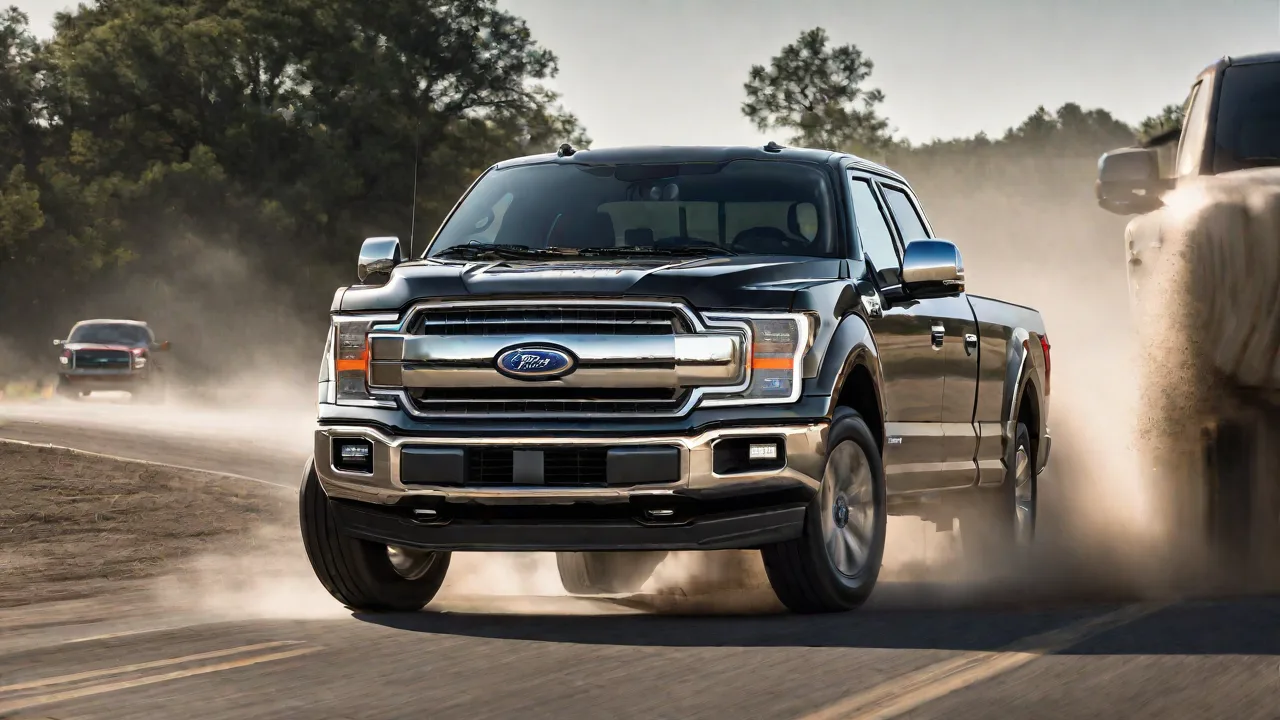
Everyday Ford F-150 vs. Everyday Ford Super Duty: Best Model for Construction Professionals
For construction professionals, selecting the right truck is a critical decision that directly impacts productivity, efficiency, and overall job site performance. Among Ford’s lineup, the Everyday Ford F-150 and the Everyday Ford Super Duty stand out as two of the most popular and capable choices. Each model is engineered with construction work in mind, but they cater to different scales of operation and varying workloads. To help you make an informed decision, this article explores their powertrains, towing and payload capabilities, durability features, technology offerings, and overall suitability for construction professionals.
Power and Performance: Matching Engines to Job Demands
Everyday Ford F-150 Engine Options and Capabilities
The Ford F-150 is celebrated for its versatility, offering a wide range of engine choices to balance power and fuel efficiency. For construction professionals handling light to moderate workloads, the F-150’s powertrain lineup provides numerous options:
- 3.3L Ti-VCT V6: A reliable base engine delivering 290 horsepower and 265 lb-ft of torque, well-suited for everyday tasks and lighter hauling needs.
- 2.7L EcoBoost V6: A turbocharged engine producing 325 horsepower and 400 lb-ft of torque, offering a strong blend of power and fuel economy for those needing extra muscle without sacrificing efficiency.
- 5.0L Ti-VCT V8: For users requiring more towing capacity, this naturally aspirated V8 provides 400 horsepower and 410 lb-ft of torque, capable of towing up to 14,000 pounds when properly equipped.
- 3.5L EcoBoost V6: The most popular engine in the F-150 lineup, this twin-turbocharged V6 generates 400 horsepower and a robust 500 lb-ft of torque, making it ideal for heavier payloads and towing requirements.
- 3.5L PowerBoost Full Hybrid V6: Combining power and efficiency, this hybrid engine delivers 430 horsepower and 570 lb-ft of torque, along with improved fuel economy, making it a great choice for professionals focused on reducing fuel costs while maintaining strong performance.
The F-150’s towing capacity peaks at around 14,000 pounds, which is ample for transporting mid-sized equipment, trailers, and building materials commonly used in many construction projects. Its payload ratings typically range up to approximately 3,325 pounds, enabling it to carry heavy loads in the truck bed without compromising ride quality.
Everyday Ford Super Duty: Heavy-Duty Power for Demanding Jobs
For construction professionals whose work involves transporting extremely heavy loads or operating in challenging environments, the Ford Super Duty series offers best-in-class power and durability. The Super Duty lineup includes the F-250, F-350, and F-450 models, each designed to tackle progressively tougher workloads.
- 6.2L SOHC V8 Gas Engine: Standard on F-250 models, this engine produces 385 horsepower and 430 lb-ft of torque, providing a solid foundation for tough job site demands.
- 7.3L OHV V8 Gas Engine ("Godzilla"): Known for its reliability and torque, this powerhouse churns out 430 horsepower and an impressive 475 lb-ft of torque, ideal for heavy towing and hauling.
- 6.7L Power Stroke V8 Turbo Diesel: The flagship engine for Super Duty trucks, this diesel powerhouse generates up to 475 horsepower and a staggering 1,050 lb-ft of torque, enabling best-in-class towing capacities of over 20,000 pounds and payloads exceeding 7,600 pounds in specific configurations.
The Super Duty’s towing and payload capacities are engineered to meet the needs of contractors transporting heavy machinery, large trailers, and bulk construction materials. Its robust powertrain options make it the go-to choice for large-scale construction projects, heavy equipment haulers, and commercial contractors who demand uncompromising performance.
Durability and Build Quality: Designed for Tough Job Sites
Everyday Ford F-150: Rugged Yet Refined
The F-150’s body-on-frame construction uses high-strength, military-grade aluminum alloy, which reduces vehicle weight while maintaining structural integrity. This thoughtful engineering contributes to better fuel economy and payload capacity without sacrificing toughness.
Advanced materials and reinforced components in the F-150 ensure it can withstand the rigors of daily construction use. The truck’s frame and suspension are designed to absorb shocks from rough terrain and heavy loads, providing a smoother ride even when fully loaded.
Additionally, the F-150 offers features such as:
- Skid Plates: Protect the undercarriage from damage on rugged job sites.
- High-Strength Steel Front Bumper: Enhances impact resistance.
- Available FX4 Off-Road Package: Includes off-road-tuned shocks, skid plates, and hill descent control, perfect for construction sites with uneven or challenging terrain.
Everyday Ford Super Duty: Built to Withstand Extreme Conditions
Super Duty trucks are engineered with an emphasis on durability and strength. Their frames are made from fully boxed, high-strength steel, providing superior torsional rigidity and resistance to twisting forces encountered during heavy hauling.
The heavy-duty suspension systems, including reinforced leaf springs and available air suspension on F-450 models, ensure that the vehicle can handle maximum payloads without compromising control or safety. The Super Duty’s robust axles, drivetrains, and braking systems are designed specifically to endure the intense demands of commercial construction work.
Additional durability features include:
- Upgraded Cooling Systems: Maintain optimal engine temperatures during heavy towing and extended idling periods.
- Heavy-Duty Tow Hooks and Trailer Brake Controllers: Facilitate safe, efficient towing operations.
- Protective Bed Liners and Tailgate Step: Designed to withstand abrasion and facilitate easy access to cargo.
Technology and Safety Features to Enhance Job Site Efficiency
Driver Assistance and Towing Technologies
Both the Everyday Ford F-150 and Super Duty trucks come equipped with a suite of advanced driver assistance and towing technologies that simplify managing heavy loads and navigating tight construction sites.
- Pro Trailer Backup Assist: Allows drivers to control trailer direction with a simple knob, reducing the stress of backing up trailers in confined spaces.
- Blind Spot Information System (BLIS) with Trailer Coverage: Monitors blind spots and alerts drivers to vehicles or obstacles, enhancing safety during lane changes and turns.
- Adaptive Cruise Control with Stop-and-Go: Maintains safe following distances even in stop-and-go traffic common around busy construction zones.
- Pre-Collision Assist with Automatic Emergency Braking: Helps prevent or mitigate collisions on job sites with unpredictable pedestrian and vehicle traffic.
Infotainment and Connectivity
Modern construction professionals rely on connectivity to stay productive and communicate with teams. Both trucks offer:
- Ford SYNC® 4 System: Provides voice-activated controls, smartphone integration via Apple CarPlay and Android Auto, and real-time navigation.
- Available 12-inch Touchscreen (Super Duty): Offers an expansive display for easier access to controls and information.
- Built-in Wi-Fi Hotspot: Keeps devices connected on remote job sites.
- Multiple USB Ports and 110V Power Outlets: Allow charging of tools and mobile devices without needing external power sources.
Comfort and Interior Practicality for Long Workdays
Everyday Ford F-150: Balanced Comfort and Utility
The F-150’s interior is designed to provide a comfortable and functional space for construction professionals who spend long hours behind the wheel. Depending on the trim level, the truck can feature durable cloth or premium leather seating, supportive bucket seats, and ample storage compartments for tools, paperwork, and personal items.
Cab configurations include Regular Cab, SuperCab, and SuperCrew, offering flexibility in passenger and cargo needs. The SuperCrew, with its spacious rear seating, is ideal for crews who need to transport team members between job sites.
Everyday Ford Super Duty: Spacious and Practical for Heavy-Duty Use
The Super Duty’s cab options mirror those of the F-150 but with an emphasis on durability and space. Heavy-duty vinyl or cloth seats are standard in lower trims, while higher trims offer luxury leather appointments. Additional interior features geared toward worksite practicality include:
- Large Center Console: For organizing tools, paperwork, and electronic devices.
- Enhanced Sound Insulation: Reduces noise from heavy equipment and road conditions, creating a quieter cabin environment.
- Heavy-Duty Floor Mats and Rubberized Surfaces: Designed to withstand dirt, mud, and wear from work boots.
Fuel Economy Considerations
Fuel efficiency is an important factor for construction professionals who spend significant time driving between job sites or operating trucks for extended periods.
- Everyday Ford F-150: With its lightweight aluminum body and efficient engine options—including the hybrid PowerBoost—the F-150 offers competitive fuel economy for a full-size pickup. For example, the 3.5L PowerBoost hybrid can achieve an EPA-estimated 24 mpg city and 24 mpg highway, helping reduce operating costs.
- Everyday Ford Super Duty: Due to its larger size, heavier frame, and powerful engines, the Super Duty trucks generally have lower fuel economy ratings. The diesel option improves efficiency relative to gasoline engines, but these trucks prioritize capability over fuel savings.
Pricing and Ownership Costs
Budget considerations are critical for many construction professionals when investing in a new truck. The Everyday Ford F-150 typically has a lower starting price compared to the Super Duty models, making it an attractive option for small to medium-sized contractors or tradespeople.
The Super Duty series commands a premium price due to its heavy-duty components and enhanced capabilities. However, the increased towing, payload, and durability often justify the investment for professionals with demanding hauling needs.
Both trucks benefit from Ford’s strong resale value, widespread service network, and extensive aftermarket support, helping reduce long-term ownership costs.
Which Model is Best for You?
- Choose the Everyday Ford F-150 if your construction work primarily involves light to moderate hauling, you value fuel efficiency, and you require a versatile truck with modern technology and comfort features for daily use.
- Opt for the Everyday Ford Super Duty if your job demands maximum towing capacity, heavy payload handling, rugged durability, and you frequently transport large equipment or materials that exceed the F-150’s limits.
Ultimately, both trucks offer excellent reliability, advanced features, and the ruggedness needed for construction work. Your decision should be guided by the scale of your projects, typical payload and trailer weights, and your desire for fuel economy versus raw capability.
Additional Considerations for Construction Professionals
Customization and Upfitting Options
Both the Everyday Ford F-150 and Super Duty benefit from a wide range of factory and aftermarket upfitting options tailored to construction trades. These include:
- Bed Utility Boxes and Tool Storage Solutions: Securely organize tools and materials.
- Ladder Racks and Bed Extenders: Accommodate longer items like pipes, lumber, and scaffolding.
- Heavy-Duty Trailer Hitches and Fifth-Wheel/Tow Prep Packages: Enable connection to specialized trailers and equipment.
- Off-Road Packages: Improve traction and durability on unpaved or rugged job sites.
Warranty and Maintenance Support
Ford offers comprehensive warranties and maintenance programs that can be particularly valuable for construction professionals relying on their trucks daily:
- New Vehicle Limited Warranty: Covers basic repairs for 3 years or 36,000 miles.
- Powertrain Warranty: Extends coverage to 5 years or 60,000 miles, protecting major drivetrain components essential for heavy use.
- Ford Scheduled Maintenance Plans: Provide prepaid maintenance options to help manage upkeep costs.
Conclusion
For construction professionals, the choice between the Everyday Ford F-150 and the Everyday Ford Super Duty hinges largely on the demands of the job. The F-150 excels in versatility, efficiency, and technology, making it a superb choice for many tradespeople who need a dependable, capable truck without excessive size or fuel consumption. Conversely, the Super Duty lineup shines in extreme towing, payload capacity, and durability, ideal for contractors who require a workhorse that can handle the heaviest loads and toughest environments.
Assess your typical hauling requirements, job site conditions, budget, and desired features carefully to select the model that will best support your productivity and success in the field. Both trucks represent the proven quality and innovation that have made Ford a leader in the pickup truck segment for decades.